
How Does Winter Weather Affect Liability in Car Accidents?
Rhode Island winters can be harsh, with snow, ice, and blizzards contributing to winter car accidents throughout the season. Winter car accidents are a byproduct of this harsh weather. But who’s liable in a weather related accident, and how does that impact your property damage or personal injury claim?
Find out below, courtesy of a Providence personal injury lawyer, plus get tips on driving safely in Rhode Island’s winter weather.
Winter Car Accidents Statistics & Risk Factors
The Rhode Island Department of Transportation (RIDOT) responds to 20-30 winter storms annually, which often feature snow, sleet, or freezing rain.
While the state doesn’t track winter storm-related car accidents, you can see national winter car accident statistics below.
- Nationally, 116.000 people are injured, and 1.300 people are killed every year in winter weather car accidents on snowy or icy roads.
- According to the Federal Highway Administration (FHWA), freezing weather conditions cause 18% of all weather-related accidents, 13% of weather-related injuries, and 11% of weather-related deaths.
- Icy roads are associated with 6 times as many fatalities as all other driving weather hazards combined.
- A data analysis from USA Today found that deadly winter car accidents are most likely to occur between 9 a.m. and 2 p.m., with Saturday and Friday ranking as the most dangerous days.
How Does Weather Affect Fault in Winter Car Accidents?
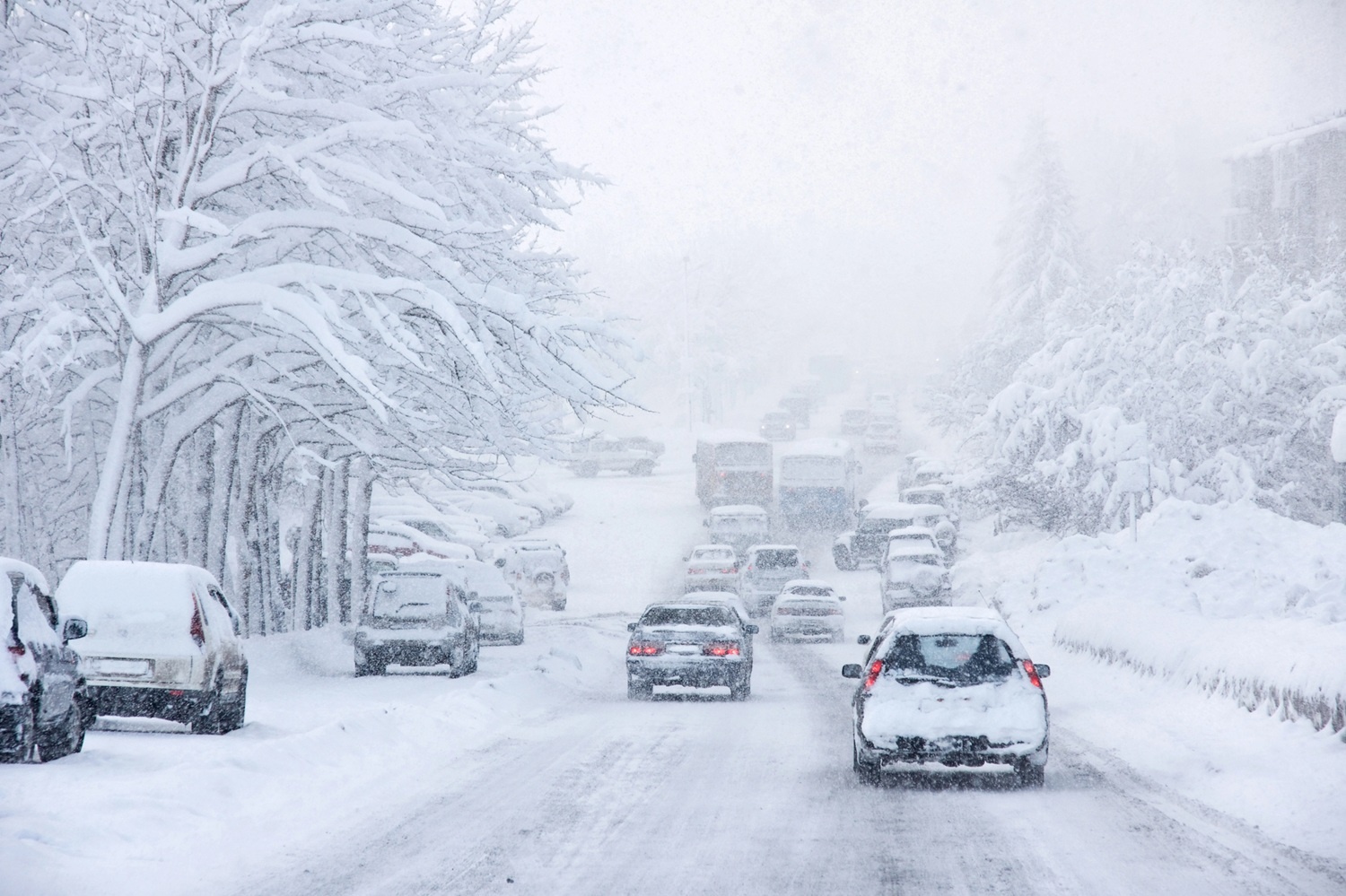
Snow and ice storms can cause slick pavement, poor visibility, and other driving hazards that contribute to crashes. But while bad weather can be a major factor in a winter car accident, it doesn’t erase fault.
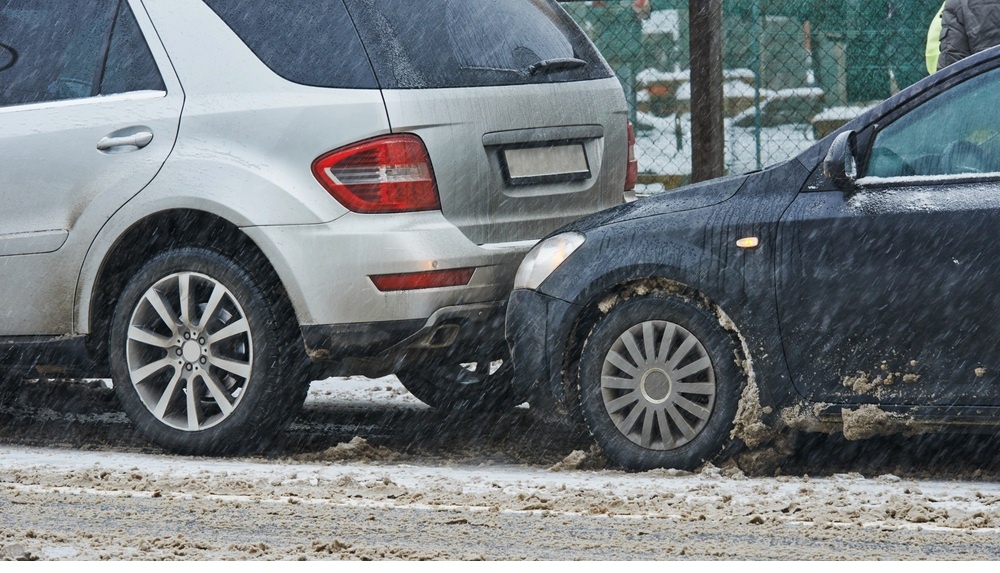
Drivers are still expected to adjust to weather conditions and use reasonable caution. For example, if one driver follows too closely and rear-ends the car ahead, they can be found at-fault – even if they skidded on black ice.
The following factors often affect fault in winter weather-related crashes:
- Speeding or driving too fast for road conditions
- Distracted driving, like talking on the phone or adjusting the heat
- Poor vehicle maintenance, such as failing to scrape ice off the windshield or driving on bald tires
- Tailgating often causes rear-end collisions on icy pavement.
- Impairment, like driving under the influence of drugs or alcohol
How to Prove Fault in Winter Car Accidents
Just like in any other multi-car crash, you’ll need to provide evidence of driver negligence to prove fault. In a winter car crash, that often means demonstrating that one driver caused the crash by failing to adjust to the weather conditions.
The following evidence can help determine car accident liability for an insurance claim:
- Police reports or witness statements
- Footage of the crash, like from a dashcam or security camera
- Photos of crash damage or the accident scene, such as skid marks
- Photos of one driver’s vehicle state, like bald tires or broken windshield wipers
Does Car Insurance Cover Snow Accidents?
Yes, car insurance policies can cover both personal injury expenses and property damage caused by winter car accidents. In a multi-car crash, you’ll file with the at-fault driver’s insurance company. In a single-car accident, you’ll file with your own company.
Any of the following insurance types can offer a settlement to cover expenses related to snow or black ice-related accidents, depending on the circumstances.
- Liability insurance: Covers any injuries to others caused by the at-fault driver. In Rhode Island, minimum liability coverage pays $25,000 per person for bodily injury, or $50,000 per crash. It also covers up to $25,000 in property damage.
- Collision coverage: Covers your vehicle for property damage caused by collisions, even single-car accidents, like skidding into a guardrail or tree.
- Comprehensive coverage: Covers damages to your car while it’s parked, like a falling icicle cracking the windshield.
- Personal Injury Protection (PIP): Covers any personal injuries you or your passengers suffer, regardless of who is at-fault.
- Uninsured/Underinsured Motorist (UIM): If the other driver doesn’t have insurance or their policy doesn’t cover the full extent of your crash-related bills, you can file with your insurance company if you carry uninsured or underinsured motorist coverage.
Of course, just because your insurance policy should cover an expense, that doesn’t mean they’ll honor the full extent of the policy right away. You may need to appeal, negotiate, or work with a RI car accident lawyer before reaching an appropriate settlement.
Winter Driving Safety Tips
You can’t control the weather, or when you need to drive on snowy or icy roads. But you can minimize your chances of getting into a crash with the following winter driving safety tips:
- Scrape ice off the windshield and clear snow from the hood and roof
- Drive with at least half a tank of fuel to prevent freezing
- Reduce your usual speed by 1/3rd on wet or slushy roads and ½ on snowy roads
- Increase your following distance to 5-6 seconds.
- Don’t power up hills: Use inertia to crest the hill and avoid spinning wheels
- Accelerate and decelerate slowly to prevent skidding
- Drive with winter tires or decrease your tire pressure
Winter Car Accidents FAQ
Can you recover compensation for a single-car accident caused by weather?
Yes, personal injury protection and collision insurance policies can cover injuries and property damage from single-car accidents, like sliding off the road in an icy road crash, or hitting a tree. Just keep in mind that you’ll likely be considered ‘at-fault,’ and your insurance premiums can increase.
If you suffered injuries in a single-car crash, a personal injury protection (PiP) policy
Is Sliding on Ice an At-Fault Accident?
Yes. While an icy road can make driving more dangerous, sliding into another car or object can be considered an at-fault accident, since the driver’s actions still contributed to the crash.
Are car accidents more common in winter?
Not necessarily. While freezing and snowy conditions account for nearly 20% of all weather-related crashes, traffic-related deaths are highest in the warmer months, from May through October.
Work with an RI Car Accident Lawyer for Winter Weather Related Accidents
If you need help getting a settlement for property damage or medical bills after a winter car crash, Petrarca Law is here for you. With over 40 years of combined experience, our firm fights aggressively to help car accident victims get the funds they need to move on, and we’d love to do the same for you. Contact us today to get your free case review.