
Premises Liability Law And How It Works in Personal Injury Cases
You deserve to feel safe and secure when you visit a public place. But if you’re injured because the property owner neglected their duty to keep you safe, then you may be able to recover damages under premises liability law.
Below, learn more about the types of premises liability claims, how to reach a settlement, and more from a Providence personal injury lawyer.
What is premises liability law?
A premises liability claim is a type of personal injury case that holds property owners and managers accountable for injuries caused by unsafe conditions on the property.
Premises liability is based on the concept of negligence. Meaning, the person in charge failed to do what a reasonable person should have done to keep the property safe for visitors.
For example, if an apartment complex manager knows that a staircase railing needs repairs, a reasonable person might take steps like scheduling a repairman, putting up warning signs, or even sealing off the staircase.
If the apartment manager knew about the faulty railing but failed to do anything at all, that could constitute negligence if a resident is injured by falling off the staircase.
The Elements of A Premises Liability Claim
You need four main premises liability elements to prove a claim:
- Duty of Care: The person in charge had a “duty of care” to keep you safe when you entered the premises, like a homeowner who invited you over for a dinner party.
- Breach: This person neglected their responsibility by failing to address a hazard on the premises. For example, failing to repair a rotting support pillar on a back deck.
- Direct Cause: Your injury was a direct and foreseeable result of the other person’s failure to address the hazard. (Anyone could foresee that rotting wood is unstable and could cause the deck to collapse.)
- Damages: You can prove that you suffered actual, measurable damages because of your injury. Like hospital bills, time off work, rehab, or a loss of quality of life.
How Do I Know if the Property Owner Had a Duty of Care?
That depends on what type of visitor you are. There are three types of visitors in premises liability claims, each of which is owed a different duty of care.
- Invitees: People who enter a property because it’s open to the public, or because they have a business reason to be there, like a hotel guest or contractor. Invitees are owed the highest standard of care, and owners and managers need to regularly inspect the property and warn of any known dangers.
- Licensees: People who have permission to be on the property that isn’t tied to a business reason, like a friend visiting a house. Property owners need to warn licensees of known or hidden dangers, but they don’t have an active duty to inspect the property for guest safety.
- Trespassers: Trespassers are people who enter the property without permission or legal right to be there. In most states, property owners don’t owe trespassers a duty of care, unless the trespasser is a child drawn to something like an un-fenced swimming pool.
Who Can Be Held Responsible for a Premises Liability Claim?
The liable person or party in a premises liability claim is whoever owns or was in control of the property where the injury occurred. Some of the most common potentially liable people in a premises liability lawsuit include:
- Homeowners or building owners
- Landlords or property managers
- Commercial tenants, like retail chains
- Maintenance or janitorial contractors
- Event organizers or planners
Examples of Premises Liability Lawsuits
Several different types of personal injury lawsuits can fall under the umbrella of premises liability law. Some of the most common examples include the following.

Slip and Fall Accidents
“Slip and fall” is a legal term for personal injury cases that happen when you slip or trip on another person’s property. Common hazards include wet or icy pavement, poorly maintained staircases, or damaged flooring.
Over one million people visit the hospital annually due to slip and fall accidents. And one out of every five causes a serious injury, like a fracture or a TBI.
Examples of common slip and fall hazards that could lead to an injury include:
- Wet or slippery floors
- Torn carpeting
- Broken or bumpy sidewalks or tiles
- Ice or snow buildup
- Poor lighting
What’s more, older people may be at a higher risk of suffering consequences from a fall. Falls are the leading cause of fatal and non-fatal injuries for older adults — and around 30% of falls occur in a public setting.
No matter how old you are, injuries suffered can seriously limit your mobility, which could impact your quality of life
Dog Bites
Sometimes, personal injury claims that involve dog bites fall under premises liability law. For instance, If you’re bitten by a dog on someone else’s property, and the dog owner failed to keep their dog secure or properly warn you, especially if the dog has a violent history, then premises law may come into play.
However, other factors may affect your claim, such as if you antagonized the dog into attacking. You can learn more in our blog on dog bite personal injury cases.
Falling tree accidents
Premises liability law can come into play if you’re injured by a falling tree or branches on someone else’s property.
For example, imagine that a dead tree branch falls on you and fractures your arm. You could argue the property owner should have known the dead branches were a hazard, yet failed to trim the tree.
Swimming Pool Accidents
Some states have codes concerning swimming pools to prevent accidental drownings or falls. Rhode Island requires a fence that’s at least four feet tall to surround an in-ground pool. Public pools have even stricter requirements, like following lifeguard and first aid guidelines.
If you or your child is injured at a pool that didn’t follow the safety rules, premises liability can come into play.
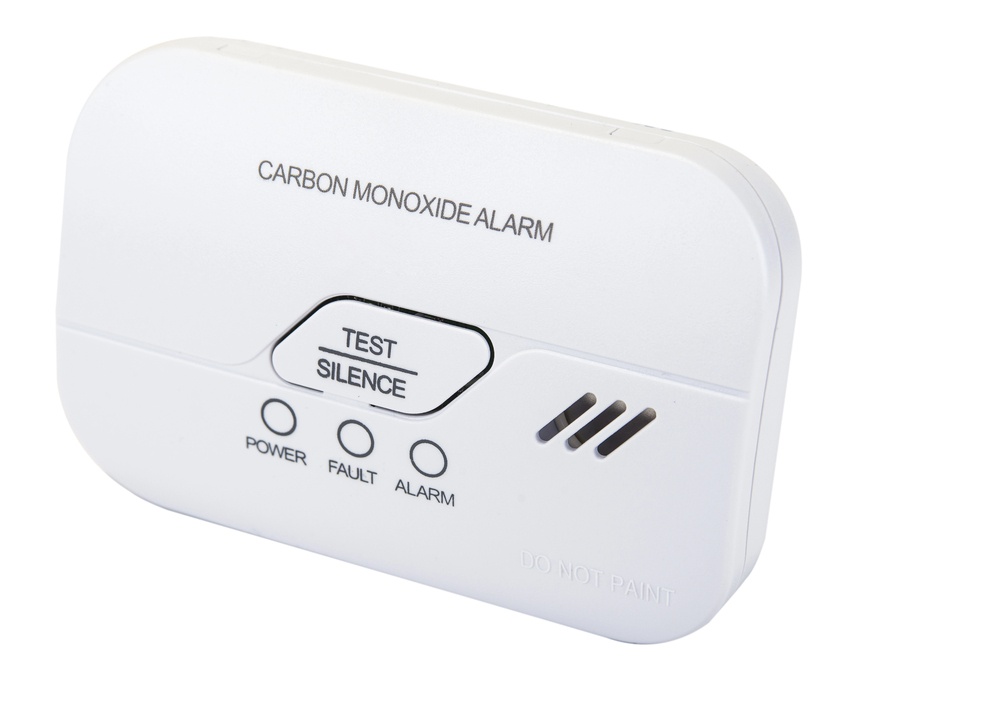
Fires or carbon monoxide leaks
Fires or carbon monoxide leaks can sometimes turn into premises liability claims, such as if the property owner failed to have proper smoke detectors or CO alarms or meet building codes.
Inadequate Security
Premises liability can sometimes hold property owners or managers liable for assaults that occur on the premises.
For example, say the building manager at an apartment complex didn’t keep the main entrance to the building locked or guarded, allowing an intruder to enter and assault a resident. You could argue that the property manager failed in their duty to keep the building secure
Poor Lighting
Even poor lighting can lead to negligence in a premises liability claim. For example, if a store doesn’t have lights illuminating the sidewalk or parking lot, visitors can miss potential hazards like potholes or steps.
What Types of Damages Can You Recover from a Premises Liability Claim?
Like with any other personal injury claim, you can recover both economic and non-economic damages from a premises liability lawsuit.
- Economic damages are expenses with a calculable price tag, like your medical bills, medications, lost wages, or loss of earning capacity.
- Non-economic damages are expenses that don’t have a concrete price tag, but still take a toll your life, like pain and suffering, emotional distress, or loss of consortium.
If the property owner or manager’s negligence was especially severe, a court may award punitive damages, which are a way of deterring others from similar wrongdoing.
What’s the average premises liability settlement amount?
To get an idea of what a premises liability claim is worth, you’ll start by adding together all of your economic damages. To calculate pain and suffering, you’ll multiply the amount of your economic damages by a number between 1.5 and 5.
That said, every case is different, so it’s usually best to consult with a personal injury lawyer to understand what you can realistically expect to recover.
Who pays for a premises liability claim?
Most of the time, premises liability claims are covered by property insurance.
But if the property doesn’t have insurance or their policy doesn’t cover the full extent of your damages, you might also be able to file directly against the individual responsible.
What if I’m partially responsible? Can I still get premises liability settlements?
Even if you’re partially responsible for your injury on someone else’s property, you may still be able to receive compensation in a lawsuit, thanks to Rhode Island general laws.
Rhode Island operates under a principle called “comparative negligence.” Essentially that means multiple parties can be assigned a “percentage” of fault in personal injury cases.
Going back to a staircase example: Imagine that you trip on a faulty staircase at a store, but it’s in an employee-only area. You break your leg, and your medical bills total $10,000.
The property owner has a duty to keep the area safe for those who enter it: However, you were in an area normally off-limits to guests, placing some of the fault on you. The insurance company may decide that you were 50% at fault, and thus pay for 50% of your claim: $5,000.
What’s the statute of limitations for premises liability lawsuits?
You don’t have an unlimited window of time to file a lawsuit. The statute of limitations in Rhode Island for civil offenses, including claims that fall under premises liability law.
For Rhode Island personal injury cases, the statute is three years after the date of the accident. In other words, the “clock” starts ticking on the day of your accident.
If you want to file your claim before time expires, it’s important to start the legal process immediately. That’s why you need the help of an RI personal injury lawyer you can trust.
How do I file a premises liability claim?
To file your RI personal injury case, you’ll start by notifying the person in charge of the property and asking to file an official incident report.
Next, you’ll send a demand letter to the insurance company, including the details of the claim, why the case was negligence, and the amount you’re requesting. The insurance company will likely counter, and you can start negotiations.
While you can do it alone, a personal injury lawyer can help you with gathering the evidence you’ll need and giving your claim the best chance of a successful settlement.
Premises Liability Law FAQ
Can you recover damages for accidents on rental property?
Yes, if you can prove that the landlord knowingly neglected their duty to keep the property safe in some way, then you may be able to file a premises liability claim.
As of 2022, Rhode Island landlord laws require landlords to hold a general liability insurance policy of at least $100,000 to cover injuries that happen from dangerous conditions on their property.
Does a property owner have to know about the hazard to be liable?
No. A property owner doesn’t necessarily need to know about the danger to be held liable. They can also be held responsible if a hazard existed long enough, or was so obvious, that a responsible owner should have known about it.
Can multiple people be held responsible in a premises liability claim?
Yes. When multiple people share control over a property, sometimes liability can be split between them.
Who’s the best personal injury lawyer in Providence, Rhode Island?
If you’re injured because of someone else’s negligence, Petrarca Law is here for you. We’re the best lawyers for premises liability claims.
We’ll help you determine eligibility for filing a personal injury case, submit the paperwork, and fight tirelessly for your rights. We’ll do our best to help you get the Premises law settlement you deserve, so you can get your life back on track.
Contact our office today for a free consultation of your case. Remember, find a Providence Lawyer that will relentlessly fight for you.